


In 1966, Brian Wilson found himself in the role of musical genius on duty. After being behind Pet Sounds, one of the masterpieces of the 1960s, expectations for Wilson were sky-high, and he struggled to handle the pressure.
While his bandmates, the Beach Boys, were on tour, he took the time to stay in Los Angeles in an attempt to relieve the pressure. In the process, he made new friends from the bustling California scene. One of them was Van Dyke Parks, a musician and lyricist who helped Wilson open up to new creative directions. Together they began to weave Brian's big dream - a concept album about childhood and adolescence, about the basics of existence and America. The same America where Brian grew up, and the same America that somewhat rejected the "Pet Sounds" revolution, while still expecting Wilson to produce the surf and car hits that were associated with him.
Brian started trying to record the crazy ideas that were going around in his head. From combining sound collages to using humor and entertainment to illustrate the childish side, to songs with rhythm changes that were very unacceptable in the pop world at the time. He also experimented with new ways of recording. From recording the sounds of laughter in the studio for two minutes to sitting at a piano in the center of a giant sandbox set up in his house to burning wood in the studio and running around it with everyone wearing firefighter helmets.
Brian was on such an intense creative trip that at some point it became too much. He couldn't turn what was going on in his head into a coherent album, and the Beach Boys, who had meanwhile returned to this cauldron, were also starting to lose patience.
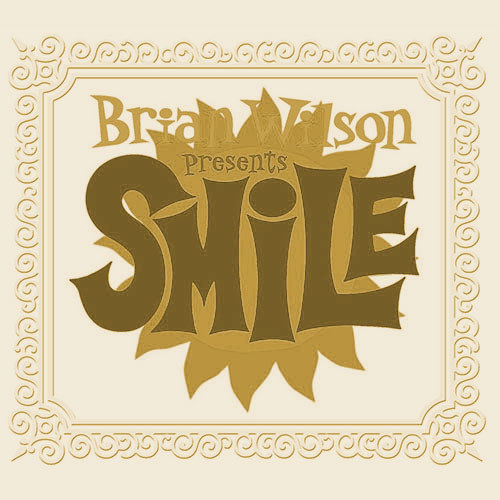
In mid-1967, Wilson announced that he was shelving the project in question, which was supposed to be called Smile. Only 37 years later, in 2004, did Wilson's touring band convince him to revisit the album. After years in which the shelved masterpiece became a myth in the history of rock 'n' roll, Wilson re-recorded it, and Smile was finally released to the world. Just as he wanted. On the 20th anniversary of its release, Tomer Kariv dedicated a special program to Wilson's shelved work.