

"What I did to break away was take some simple folk chords and put new imagery and a new approach into them, use new idioms, phrases and metaphors, combined with a new set of rules that evolved into something different, unheard of before. I knew what I was doing and it never occurred to me to back down or take a step back for anyone." (Bob Dylan, Chronicles)
In 1964, about a year before the historic moment at the Newport Folk Festival, when Dylan took the stage with an electric guitar and a rock 'n' roll band, the editor of Sing Out! magazine published an open letter to Dylan in which he not only criticized his new music, but also accused him of distancing himself from the people and becoming a kind of celebrity. But Dylan did not stop and did not look back. 1965 was one of the most significant and busy years of his career - the year to which the new biopic A Complete Unknown also draws. In less than six months, he released two groundbreaking albums that changed the world of music. He began performing with a new backing band that within a few years would become an independent and successful band in its own right, he met the woman who would become his first wife and the mother of his children, and he bought his first home in the Woodstock area of upstate New York - where he would live for the next few years.
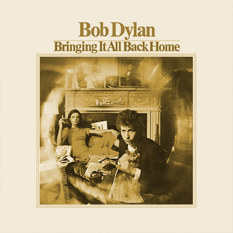
The opening shot of that year was Bringing It All Back Home, the album on which Dylan began his electric revolution. Already in the first seconds of Subterranean Homesick Blues, the song that opens the album, you can hear the sparks of the famous meeting with the Beatles a year earlier. Dylan makes rock 'n' roll that sounds like Chuck Berry and shoots lyrics at a pace that does not embarrass rappers - over 320 words in a song of less than two and a half minutes, with an iconic music video and famous lines that have become slogans such as You don't need a weatherman to know which way the wind blows. On the first side of the album, Dylan plays rock 'n' roll and blues songs with a band alongside love songs such as She Belongs to Me and Love Minus Zero/No Limit. The other side is the acoustic side of the album, but it doesn't sound like Dylan's old folk songs - protest songs have given way to complex and surreal texts like Mr Tambourine Man, Gates of Eden and also It's Alright, Ma (I'm Only Bleeding) - the pinnacle of Dylan's work in those days and a song he was particularly proud of and even mentioned several times in interviews. Finally, Dylan closes the album with the song he will play three months later at the Newport Folk Festival, when he will return to the encore with only an acoustic guitar - a farewell song from the folk world or a breakup with a partner or perhaps a self-reminding that from that moment on he will go his own way, no matter what the outcome - Strike another match, go start anew, And it's all over now, Baby Blue.
On the 60th anniversary of Bringing It All Back Home, Gil Matos dedicated Special 88 to one of Bob Dylan's most important and groundbreaking albums.